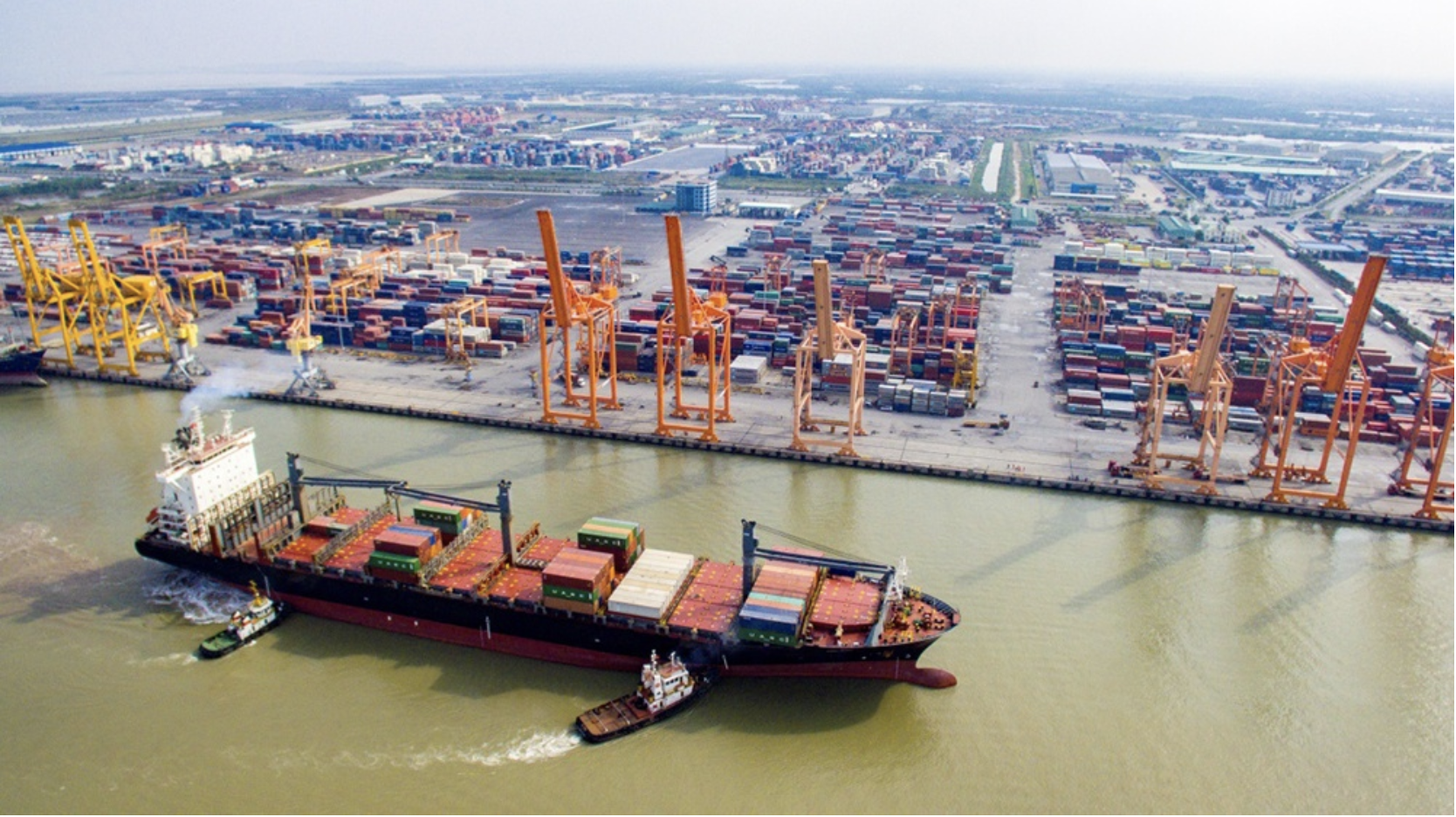
Shipping companies are hoping that by June 2020, the Covid-19 pandemic will be under control in many countries, allowing the cargo market to recover in the final months of the year.
The transportation market remains a mix of good and bad news.
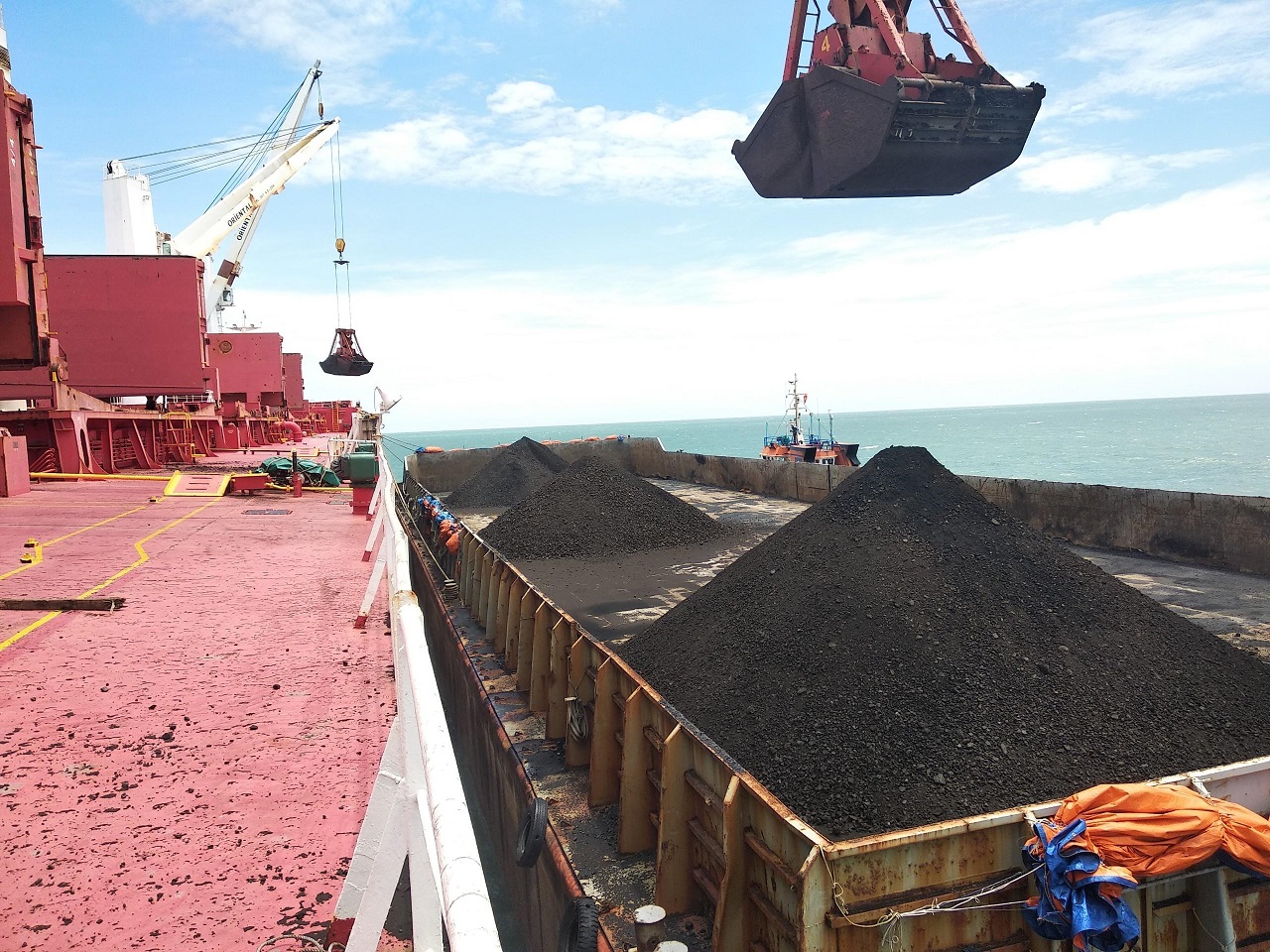
Mr. Bui Viet Hoai, Chairman of the Board of Directors of Vietnam Maritime Transport Corporation (Vosco), shared that in May 2020, although the commodity market was still heavily impacted by the Covid-19 pandemic, the maritime transport sector had a more favorable environment. “One of the world’s three major commodity centers, China, has lifted its lockdown, allowing Vosco’s fleet to resume transporting goods such as ore and coal,” Mr. Hoai said.
Recently, the sharp drop in oil prices has also been a positive factor helping shipping companies reduce fuel costs, especially in the context of cargo shortages, forcing carriers to use fuel with a sulfur content of 0.5% (higher than the old FO fuel) as stipulated by the International Maritime Organization. “It is estimated that the drop in oil prices has helped container ships and oil tankers save about 20%, and dry cargo ships also reduce fuel costs by 10-15%,” Mr. Hoai informed.
However, according to Mr. Hoai, freight rates are still on a downward trend. For example, for ore, if in December 2019, the revenue of a ship carrying ore was about 8,000-9,000 USD/day, now it is only 3,000-4,000 USD/day.
According to Mr. Pham Van Khoa, Head of Operations at Vinalines Shipping Company, before the Covid-19 pandemic, the freight cost for clinker from Vietnam to China was around 8-10 USD/ton (depending on the port), but it has now dropped to only 5-7 USD/ton. For bagged cement to the Philippines, the freight cost was around 11 USD/ton at the beginning of 2020, but is now 7 USD/ton.
Regarding domestic shipping, Mr. Vu Duc Ngo, Director of Vu Gia Tam Trading and Transportation Company, said that from April 2020, domestic ships began to feel the impact of Covid-19. Before the pandemic, the freight cost for clinker from Hai Phong to Saigon was around 190,000-200,000 VND/ton, and when the pandemic first broke out it was 185,000 VND/ton; currently, it is only 170,000 VND/ton. “International shipping fleets have lost work and returned to the domestic market, competing for cargo, so the volume of coal transported by domestic and VR-SB vessels has decreased sharply. It is predicted that in the next 1-2 months, the amount of coal transported from Quang Ninh to Saigon, Dong Nai, and the central provinces will decrease by about 30-40% compared to the period before the pandemic,” Mr. Ngo said.
Given this situation, Mr. Ngo expressed concern that although his unit’s five ships maintained 3-4 trips per month during the first three months of the year, the volume of cargo has decreased so much that half of them may have to be idle. Ship operating capacity has returned to 50-60%, similar to the levels seen during the 2008 economic crisis.
Waiting for an opportunity
Regarding the recovery of the shipping market in 2020, Mr. Bui Viet Hoai expects that the Covid-19 pandemic will be successfully controlled by countries before June 2020. “If the pandemic is controlled in June, production and trade activities in these countries will gradually recover after the next 1-2 months. At that time, the shipping fleet will have a relatively large volume of cargo to carry to ‘revive’.”
“To support domestic shipping businesses during the difficult period caused by the Covid-19 pandemic, the Vietnam Maritime Administration held a meeting and announced that the Vietnam Pilots Association has decided to reduce pilotage fees to the minimum level as stipulated in Circular 54/2018 of the Ministry of Transport from May to July 2020; At the same time, some businesses have also agreed to reduce tugboat service fees for Vietnamese ships on domestic routes.
In particular, the North Asian region (China, Japan, South Korea) will be a “golden opportunity” for shipping companies. This shipping route not only diversifies import and export goods to and from Vietnam such as fertilizers, iron and steel, electronic equipment, etc., creating a significant boost in transportation demand after the pandemic, but it is also a route where Vietnamese ships can transport goods in both directions at attractive freight rates,” Mr. Hoai shared.
If the pandemic continues into the remaining six months, the Vosco leader expressed concern that shipping companies will again operate “struggling” and at a standstill. “Vosco hopes that commercial banks will allow debt restructuring, waive interest for 2020, waive penalty interest, and extend the principal repayment period,” Mr. Hoai said.
Regarding the domestic market, Mr. Bui Van Nam, Secretary of the An Lu Solidarity Transport Association (Hai Phong), believes that the opportunity for the domestic fleet to recover must come from two factors: the resumption of normal construction projects, increasing the demand for transporting raw materials, and the resurgence of the Southeast Asian regional transport market. This would prevent Vietnamese ships operating on international routes with large cargo capacities (10,000 – 20,000 DWT) from returning to the domestic market, thus avoiding pressure on the limited fleet of ships and VR-SB vessels.
Mr. Nam also suggested that the Government instruct relevant ministries and agencies to study reducing the value-added tax for domestic maritime transport businesses to 5% instead of the current 10%.
Meanwhile, Mr. Vu Duc Ngo proposed that in the future, authorities should direct commercial banks to implement support policies for domestic shipping companies with good debt repayment histories, reducing interest rates on medium-term loans (3-4 years) from approximately 11.7%/year to 9-10%/year, helping businesses balance their finances, repay debts, and maintain operations.
According to Baogiaothong